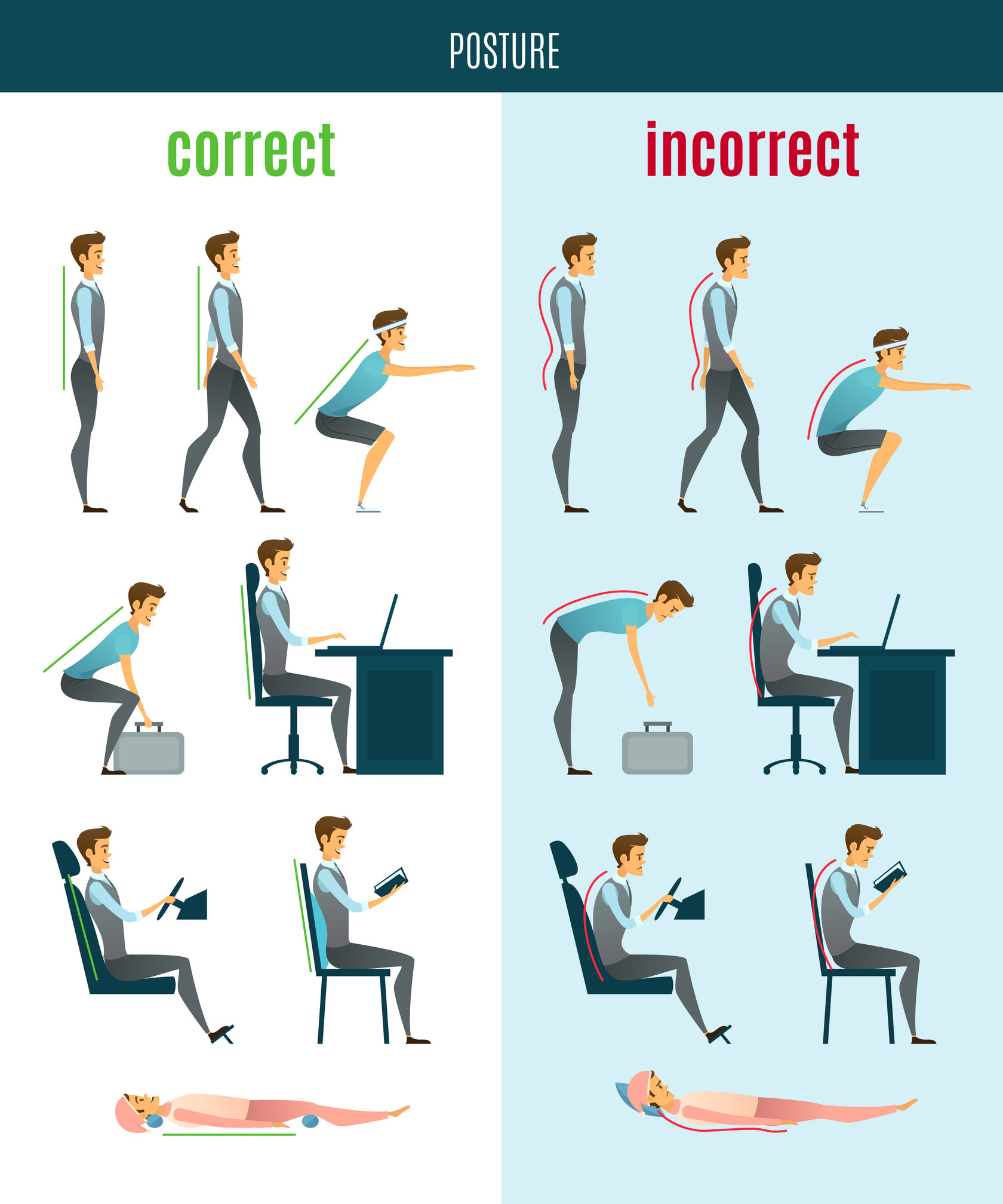
5 Essential Ergonomic Tips to Enhance Your Workspace Comfort
Creating a comfortable workspace is essential for enhancing productivity and reducing the risk of injury. Here are 5 essential ergonomic tips to help you optimize your workspace:
- Adjust Your Chair: Your chair should support your lower back. Ensure that your feet are flat on the ground and your knees are at a 90-degree angle. Consider using a chair with adjustable height and lumbar support.
- Monitor Height: Position your monitor at eye level to avoid straining your neck. The top of the screen should be just below eye level, and it should be approximately an arm’s length away.
- Keyboard and Mouse Placement: Keep your keyboard and mouse close enough so that you can use them comfortably with your elbows close to your body. Your wrists should be straight as you type, and your hands should float above the keyboard.
- Lighting: Ensure that your workspace is well-lit to reduce eye strain. Natural light is ideal, but if that’s not possible, invest in good quality task lighting that minimizes glare.
- Take Breaks: Regularly take short breaks to stretch and move around. This helps to refresh your mind and reduce fatigue, which can significantly enhance your overall workspace comfort.
Counter-Strike is a popular first-person shooter video game series that emphasizes teamwork and strategy. Players join either the Terrorist or Counter-Terrorist team, engaging in various objective-based game modes. For gamers looking to optimize their setup, finding the right gear is essential; check out the Top 10 Laptop Stands for Couch to enhance your gaming experience.
The Science Behind Ergonomics: How Comfort Improves Productivity
Ergonomics is the scientific discipline that focuses on understanding human interactions with various elements of a system. By integrating comfort into the workspace, ergonomics aims to optimize performance, reduce the risk of injury, and enhance overall well-being. It encompasses multiple aspects, such as the arrangement of office furniture, the design of tools, and the adjustment of equipment settings. When a workspace is ergonomically designed, it minimizes strain on the body, allowing individuals to maintain better posture and reduce fatigue. Not only does this promote health, but it also leads to improved productivity as employees can focus more effectively on their tasks without the distraction of discomfort.
Research in the field of ergonomics has shown a direct correlation between comfort and productivity. A study conducted by the Cornell University Ergonomics Research Institute revealed that ergonomic interventions can lead to a significant increase in job performance. For instance, simple adjustments like using an adjustable chair or monitor stands can make a huge difference. Comfortable environments encourage employees to stay engaged and motivated, which is crucial for innovation and efficiency. Therefore, investing in ergonomic solutions can not only boosts individual productivity but also contribute to the overall success of an organization.
Are You Sitting Correctly? Common Mistakes and How to Fix Them
Sitting correctly is essential for maintaining good posture and preventing discomfort or injury. Many individuals unknowingly adopt poor sitting habits, leading to a range of issues such as back pain, neck strain, and fatigue. Common mistakes include slouching in your chair, crossing your legs, or sitting on your wallet. To address these issues, it is crucial to evaluate your workstation and make necessary adjustments. For example, ensure your chair provides adequate lumbar support, and keep your feet flat on the ground.
To establish a more ergonomic sitting position, follow these guidelines:
- Keep your back straight and shoulders relaxed.
- Align your elbows at a 90-degree angle, with your wrists straight.
- Maintain your screen at eye level to prevent neck strain.
- Take regular breaks to stand up, stretch, and move around to reduce stiffness.