How Ergonomics Can Transform Your Workspace for Better Health
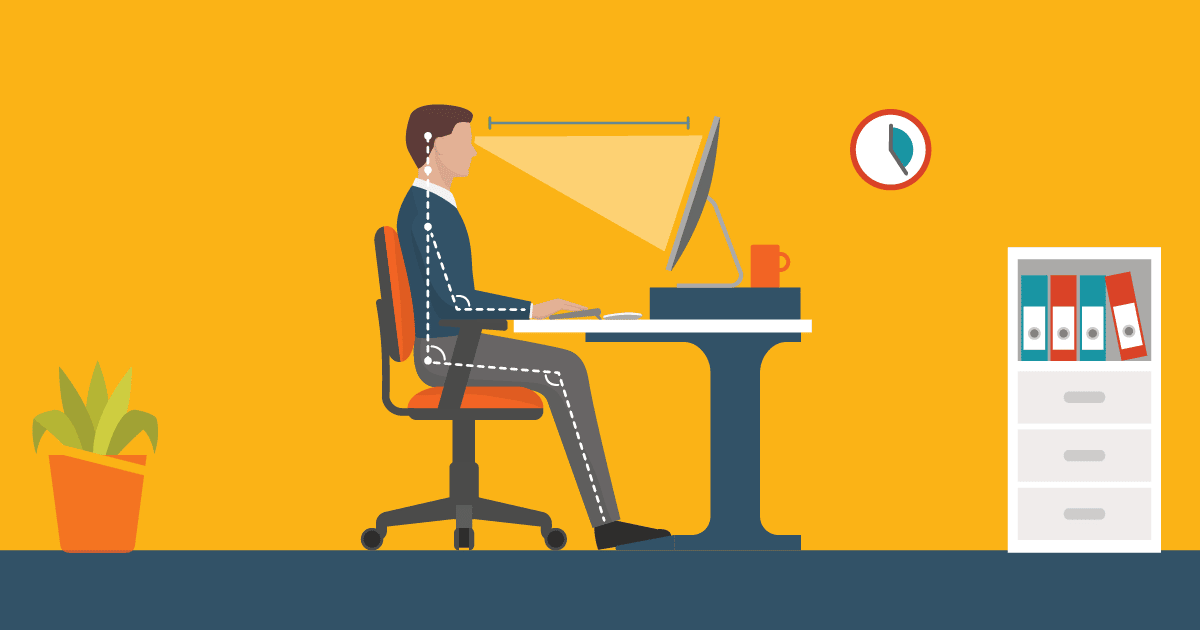
In today’s fast-paced work environment, ergonomics plays a crucial role in enhancing productivity and overall well-being. By designing your workspace with ergonomics in mind, you can significantly reduce physical strain and improve comfort. Key elements to consider include adjustable chairs, proper desk height, and monitor placement. A well-structured workspace enables you to maintain good posture, which is essential for minimizing fatigue and preventing musculoskeletal disorders.
Implementing ergonomic principles not only contributes to better health but can also boost morale and job satisfaction. Simple adjustments, such as using a keyboard tray or relying on a standing desk, can result in remarkable changes. Additionally, incorporating regular breaks to stretch or walk around is vital for maintaining circulation and preventing stiffness. By prioritizing ergonomics in your workspace, you are investing in your health and creating an environment conducive to focus and efficiency.
Counter-Strike is a popular team-based first-person shooter that has captivated gamers since its release in the late 1990s. The game emphasizes tactical gameplay and teamwork, where players assume the roles of either counter-terrorists or terrorists. Players are often looking for ways to enhance their gaming experience, such as by setting up an optimal gaming environment. For more information on this, check out the Top 10 Desk Setup Trends to create the perfect setup for competitive play.
Top 5 Ergonomic Tips for Reducing Back Pain While Working
Chronic back pain is a common complaint for many office workers due to prolonged sitting and poor posture. To combat this issue, implementing ergonomic tips can significantly alleviate discomfort and promote better spinal health. Here are the top 5 ergonomic tips to help reduce back pain while working:
- Adjust Your Chair: Ensure your office chair provides adequate lumbar support and is adjustable in height. Your feet should rest flat on the floor, with knees at a 90-degree angle.
- Optimize Your Desk Setup: Position your computer monitor at eye level to avoid straining your neck. Keep your keyboard and mouse close enough to prevent leaning forward.
- Take Regular Breaks: Stand up, stretch, and walk around every hour. Simple movements can help ease muscle tension and improve circulation.
- Practice Good Posture: Keep your back straight, shoulders relaxed, and elbows close to your body while typing. This posture minimizes stress on your spine.
- Use a Footrest: If your chair is too high, a footrest can help maintain proper posture and reduce strain on your back.
Is Your Office Setup Sabotaging Your Productivity?
Have you ever noticed that the layout of your workspace can significantly influence your ability to concentrate and perform tasks? An inefficient office setup can lead to distractions, decreased motivation, and ultimately, a decline in productivity. Factors such as poor ergonomics, inadequate lighting, and cluttered spaces can all contribute to a frustrating work environment. Is your office setup sabotaging your productivity? Take a moment to evaluate your surroundings—are you facing away from natural light? Is your chair uncomfortable or poorly adjusted? Addressing these issues can lead to noticeable improvements in your work output.
In addition to physical comfort, the organization of your workspace plays a crucial role in maintaining focus. Consider implementing a structured approach to your office layout by following these tips:
- Minimize distractions by keeping only essential items on your desk.
- Arrange your equipment for easy access, reducing unnecessary movements.
- Incorporate plants or personal touches to create a more inviting atmosphere.