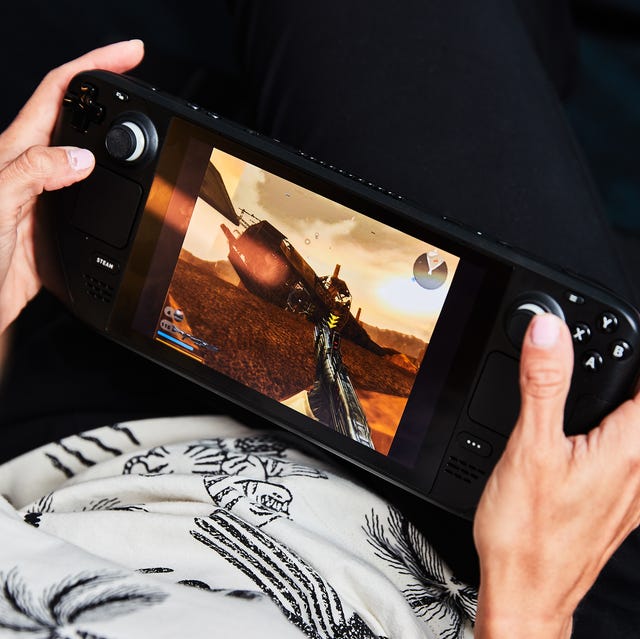
The Evolution of Handheld Gaming: From Game Boy to Mobile Marvels
The world of handheld gaming has come a long way since the debut of the Game Boy in 1989. This revolutionary device, developed by Nintendo, introduced gamers to the idea of playing their favorite titles on the go, forever changing how we interact with video games. With its iconic design and a library of classic games like Tetris and Super Mario Land, the Game Boy set the stage for portable gaming systems to emerge. Over the years, we witnessed advancements in technology with the release of successors like the Game Boy Color and the Nintendo DS, which featured improved graphics, touch screens, and online capabilities, capturing the imagination of players worldwide.
As technology progressed, so did the handheld gaming experience, ultimately leading to the rise of mobile gaming on smartphones. Today, devices like the iPhone and Android smartphones have transformed gaming into an accessible, on-demand activity. With the introduction of sophisticated graphics and immersive gameplay, mobile games have become a dominant force in the industry, surpassing traditional handheld consoles in popularity. This evolution reflects a broader trend where gaming has become an integral part of our daily lives, demonstrating how handheld devices have adapted to changing consumer habits and technological advancements.
Counter-Strike is a highly popular tactical first-person shooter game that has captivated millions of players worldwide. Known for its team-based gameplay and competitive nature, players can engage in various modes such as bomb defusal and hostage rescue. If you're looking to enhance your gaming experience, check out the Top 10 iPhone controllers that can provide you with better control and precision during gameplay.
How Handheld Consoles are Transforming the Way We Play
The rise of handheld consoles has revolutionized the gaming landscape, offering players the flexibility to enjoy their favorite titles anytime and anywhere. Unlike traditional gaming systems that tie players to their living rooms, handheld devices such as the Nintendo Switch and Steam Deck allow for seamless transitions from home to on-the-go gaming. This convenience encourages longer play sessions and fosters a gaming culture that thrives on accessibility, appealing to both casual and hardcore gamers alike. As a result, we can see a shift in how gaming is consumed, with an increasing number of players valuing mobility alongside the immersive experiences that these devices offer.
Moreover, handheld consoles are not just about mobility; they are also about community and connectivity. Many of these devices come equipped with online features that enable gamers to connect with friends, share their experiences, and participate in multiplayer games, no matter where they are. This social aspect is crucial in today's gaming environment, as players are looking for ways to engage and interact with others. With the rise of digital marketplaces and downloadable content tailored for handheld devices, the industry is evolving, offering a plethora of games designed specifically for handheld play. As we look to the future, it's clear that handheld consoles will continue to play an essential role in shaping how we experience gaming.
Is Handheld Gaming the Future of Portable Entertainment?
As technology advances, handheld gaming has emerged as a significant player in the realm of portable entertainment. Gone are the days when gaming was limited to bulky consoles or desktop setups. Today, devices like the Nintendo Switch, Steam Deck, and various mobile gaming options allow players to experience high-quality gaming on the go. With improvements in graphics, battery life, and connectivity, these handheld devices offer a seamless gaming experience that rivals traditional systems. The fusion of portability and performance makes it clear that handheld gaming is not just a passing trend, but a vital component of the future of entertainment.
However, the rise of handheld gaming also brings questions about its sustainability and longevity in the face of evolving technology. As smartphone capabilities continue to grow, many users find themselves drawn to mobile games that offer casual and accessible play. This shift illustrates a larger trend towards convenience and versatility in entertainment choices. Ultimately, the future of portable entertainment may not rest solely on handheld gaming devices, but rather on how these systems adapt and integrate with broader technological advancements, ensuring they remain relevant in an ever-changing landscape.