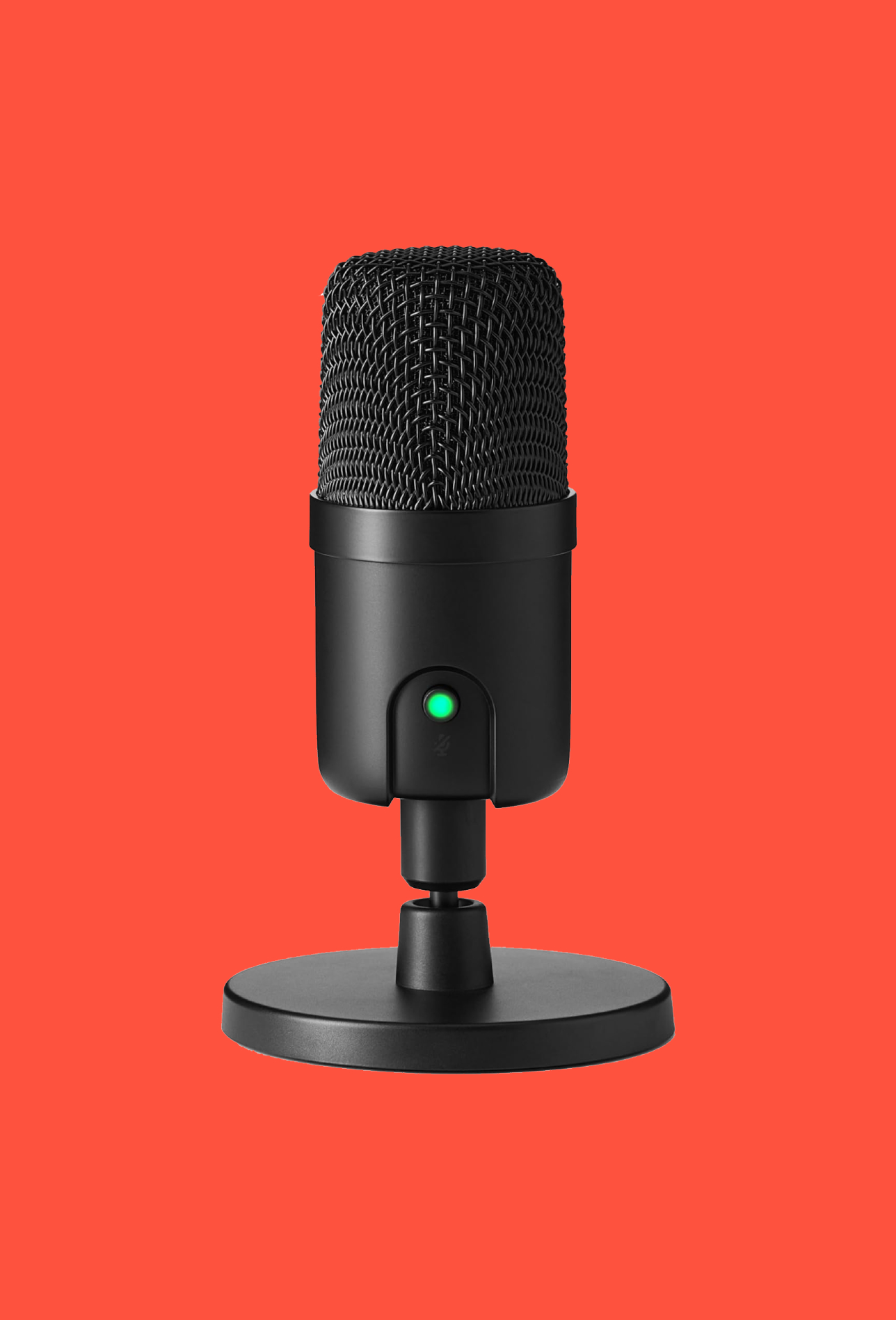
The Science Behind Microphones: How These Tiny Giants Capture Sound
The science behind microphones is a fascinating blend of acoustics and electronics. At its core, a microphone works by converting sound waves—vibrations in the air—into electrical signals. There are various types of microphones, each employing a different mechanism to achieve this conversion. For instance, dynamics microphones use a diaphragm attached to a coil of wire, which moves within a magnetic field, creating an electrical current. On the other hand, condenser microphones rely on a capacitor and require an external power source to function, making them ideal for capturing detailed sound in studio settings.
Moreover, the materials used in the construction of microphones play a critical role in their performance. The diaphragm, often made from materials like Mylar or metal, influences the microphone's frequency response and sensitivity. There are also factors such as polar patterns, which determine the directionality of sound capture—ranging from omnidirectional, which picks up sound from all directions, to unidirectional, focusing primarily on sound from one direction. Understanding these elements can help you choose the right microphone for your needs, whether it's for professional recording, live performances, or home studio setups.
Counter-Strike is a popular first-person shooter game that emphasizes teamwork and strategy, typically pitting terrorists against counter-terrorists. Players engage in objective-based gameplay, making use of various weapons and tactics. For professionals looking to enhance their communication during online matches, consider checking out the Top 10 Earbuds for Meetings to ensure a clear audio experience.
Why Every Creator Needs a Quality Microphone: Enhancing Your Audio Experience
In the world of content creation, whether you're a podcaster, YouTuber, or streamer, audio quality can make or break your work. A quality microphone is essential for producing clear and crisp sound, which not only enhances the listening experience but also establishes your credibility as a creator. Poor audio can lead to disengagement, as audiences tend to overlook content that is difficult to hear or understand. By investing in a quality microphone, you elevate your production value, allowing your personality and message to shine through without distractions.
Moreover, a good microphone can help you capture the nuances of your voice, making your content more relatable and immersive. When your audience can hear every inflection and emotion in your speech, it fosters a deeper connection with them. In today’s competitive landscape, where countless creators vie for attention, enhancing your audio experience is not just an option; it’s a necessity. Consider it an investment in your brand, ensuring that every word you speak resonates powerfully with your audience.
The Different Types of Microphones: Which One Is Right for You?
When choosing a microphone, it’s essential to understand the different types available and their specific uses. Dynamic microphones are robust and versatile, making them ideal for live performances and recording loud sound sources such as drums or guitar amps. On the other hand, condenser microphones are more sensitive and better suited for studio recordings, capturing subtler sounds and nuances, especially in vocals and acoustic instruments. Additionally, ribbon microphones offer a warm tone and are often favored for their vintage sound, while lavalier microphones are perfect for interviews and presentations, providing hands-free operation.
When selecting the right microphone for your needs, consider the following factors:
- Purpose: Are you recording vocals, instruments, podcasts, or video?
- Environment: Will it be used in a studio or a live setting?
- Budget: What is your price range for a microphone?