Understanding Thunderbolt: How It Revolutionizes Data Transfer
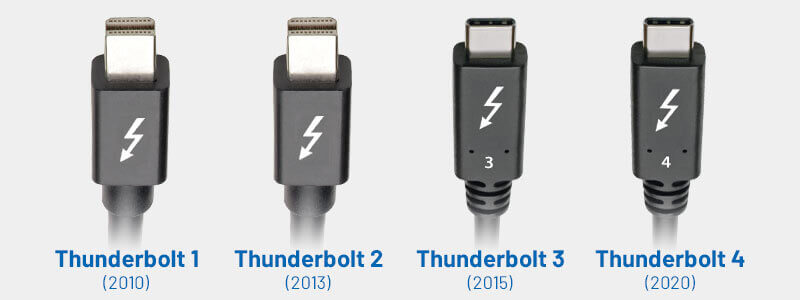
Thunderbolt technology has significantly transformed the way we transfer data across electronic devices. First introduced by Intel and Apple, Thunderbolt integrates data, video, and power into a single connection, allowing for high-speed data transfer rates that can reach up to 40 Gbps. This means that large files can be transferred in seconds, making it an ideal choice for professionals who work with high-resolution video and extensive data sets. With Thunderbolt, users can connect multiple devices using daisy chaining, thereby reducing cable clutter while maximizing performance and efficiency.
One of the most remarkable features of Thunderbolt is its versatility. It works with various protocols, including HDMI, DisplayPort, and USB, which makes it an all-in-one solution for connectivity in diverse setups. As technology advances, the continued evolution of Thunderbolt is expected to deliver even faster speeds and increased support for external graphics and storage solutions. Whether you're a creative professional, a gamer, or simply someone who frequently transfers large files, understanding Thunderbolt can enhance your data transfer experience like never before.
Counter-Strike is a highly competitive first-person shooter game that has become a staple in the gaming community. Players engage in tactical battles, showcasing their skills in teamwork and strategy. For gamers looking to enhance their setup, learning about the Top 10 external monitors for mac can greatly improve their gaming experience.
Thunderbolt vs. USB: Which Connection Is Right for You?
When considering the Thunderbolt vs. USB debate, it's essential to understand the key differences and features that each connection type offers. Thunderbolt provides exceptionally high data transfer speeds, allowing for up to 40 Gbps, which is ideal for professionals working with high-resolution video or large data files. Additionally, Thunderbolt supports daisy chaining multiple devices, meaning you can connect several peripherals through a single port, streamlining your workspace. In contrast, standard USB connections, particularly the newer USB-C variant, offer versatile connectivity options and good speeds ranging from 5 Gbps (USB 3.0) to 20 Gbps (USB 3.2). However, you might find limitations in device compatibility and speed consistency compared to Thunderbolt.
Deciding between Thunderbolt and USB ultimately hinges on your specific needs and workflow. If you regularly engage in activities that demand rapid data transfer and the ability to connect multiple devices seamlessly, Thunderbolt might be the superior choice. However, for general use — such as charging devices or transferring standard files — USB is more than adequate and widely compatible with a variety of gadgets. Always consider factors such as price, availability, and future-proofing your devices when making a decision on which connection to invest in.
5 Surprising Benefits of Using Thunderbolt in Your Tech Setup
When considering upgrades to your tech setup, Thunderbolt technology offers some unexpected advantages that can enhance your overall experience. First and foremost, its capability for high-speed data transfer cannot be overstated; Thunderbolt can move data up to 40 Gbps, which is significantly faster than traditional USB connections. This speed is particularly beneficial for professionals working with large files, such as video editors and graphic designers, allowing for quicker uploads and downloads. Additionally, the versatility of Thunderbolt technology means that it can support multiple devices simultaneously through a single port, reducing cable clutter and enhancing connectivity.
Moreover, Thunderbolt also excels in providing power delivery alongside data transfer. Many Thunderbolt devices can deliver up to 100 watts of power, which means you can charge your laptop or other devices while simultaneously transmitting data. This feature is not only convenient but also streamlines your workspace, allowing for a cleaner and more efficient setup. Lastly, Thunderbolt technology supports daisy-chaining multiple devices, so you can connect multiple peripherals like monitors, hard drives, and docking stations, all through a single connection, maximizing your productivity without compromising on performance.