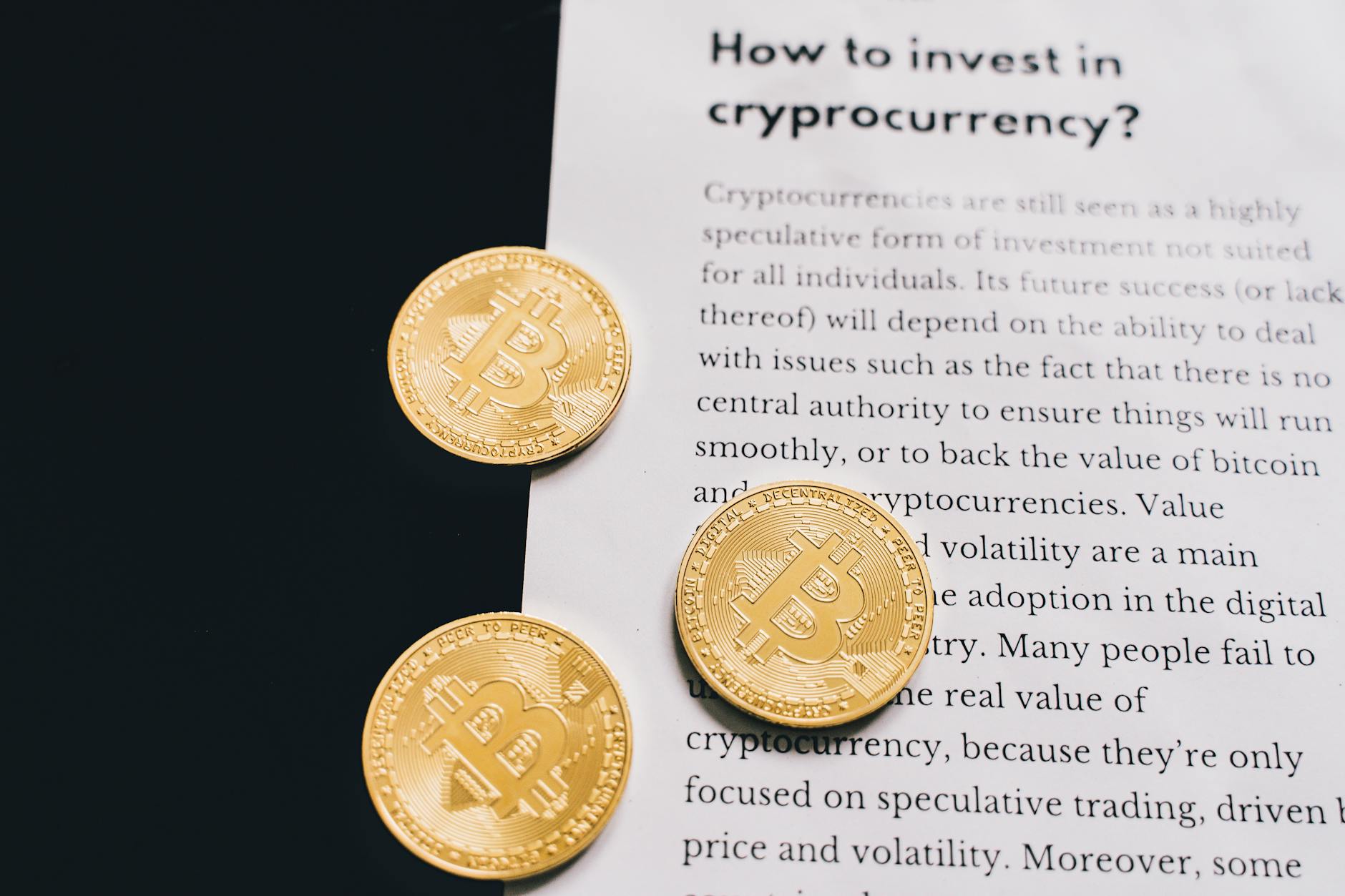
From Fiat to Fun: How Crypto Deposits Work (The Basics Explained)
At its core, depositing fiat currency (like USD, EUR, or GBP) to then purchase cryptocurrency involves a few key steps. Think of it like transferring money from your regular bank account to a new investment platform. First, you'll need to choose a reputable cryptocurrency exchange. These exchanges act as intermediaries, facilitating the conversion of your traditional money into digital assets. Once you've selected an exchange, you'll typically undergo a Know Your Customer (KYC) verification process, which involves providing identification documents to comply with financial regulations. This ensures a secure and compliant environment for all users.
After successful KYC verification, you'll be presented with various options for depositing your fiat currency. The most common methods include:
- Bank Transfers (ACH/Wire): These are usually the most cost-effective but can take a few business days to clear.
- Debit/Credit Card Payments: Often instant, but typically incur higher fees due to processing costs.
- Third-Party Payment Processors: Some exchanges integrate with services like PayPal or Apple Pay for added convenience, though these might also carry their own fees.
Once your fiat currency has been successfully deposited into your exchange account, it's ready to be converted into your desired cryptocurrency. This is where the 'fun' truly begins! You'll navigate to the exchange's trading interface and select the cryptocurrency you wish to buy (e.g., Bitcoin, Ethereum, Solana). You'll then specify the amount you want to purchase, and the exchange will execute the trade, converting your fiat into crypto at the current market rate. The purchased cryptocurrency will then appear in your exchange's digital wallet, ready for you to hold, trade further, or even withdraw to a personal hardware wallet for enhanced security.
See also: Cryptocurrency - Wikipedia — For a foundational understanding of what cryptocurrencies are.
Your First Crypto Deposit: A Step-by-Step Guide for Beginners
Making your first crypto deposit can seem daunting, but it's a straightforward process once you understand the core steps. Think of it like transferring money online, but with a few extra security considerations. The initial hurdle for most beginners is choosing the right exchange. Look for platforms that are reputable, user-friendly, and offer strong security measures like two-factor authentication (2FA). Popular choices include Coinbase, Binance, and Kraken, each with its own pros and cons regarding fees, available cryptocurrencies, and regional accessibility. Once you've selected an exchange, you'll need to complete their Know Your Customer (KYC) verification process, which usually involves providing identification documents to comply with financial regulations.
After successfully setting up and verifying your account, the next step is to fund your wallet. Most exchanges offer a variety of deposit methods tailored to different regions and preferences. Common options include:
- Bank Transfers (ACH/SEPA): These are often the most cost-effective but can take a few business days to clear.
- Debit/Credit Card Purchases: Offer instant deposits but typically come with higher fees.
- Wire Transfers: Suitable for larger amounts and usually faster than standard bank transfers, but can also carry higher fees.
Once your fiat currency has arrived in your exchange account, you're ready to make your first crypto purchase! Navigate to the 'Buy Crypto' or 'Trade' section of the platform. Here, you'll typically be prompted to select the cryptocurrency you wish to buy (e.g., Bitcoin, Ethereum) and the amount you want to spend. The exchange will then display the current market price and any trading fees.
"Always review the transaction details carefully before confirming your purchase. A small mistake in the amount or choice of crypto can be irreversible."After confirmation, your chosen cryptocurrency will be credited to your exchange wallet. Congratulations – you've officially made your first crypto deposit and purchase! Remember to consider transferring your crypto to a more secure hardware wallet for long-term storage once you become more comfortable with the process.
See also: Cryptocurrency Definition - Investopedia — Provides definitions and explanations of cryptocurrency concepts relevant to deposits.
Common Questions Answered: Fees, Speed, and Wallet Woes
One of the most frequent inquiries in the world of cryptocurrency revolves around transaction fees. It's a common misconception that all blockchain transactions are instantaneous and free. In reality, fees can vary wildly depending on the network, current demand, and the complexity of your transaction. For instance, high network congestion on Ethereum might lead to significantly higher gas fees compared to a low-traffic period. Understanding these dynamics is crucial for any crypto user, whether you're making small transfers or exploring platforms like CryptoCasino. Always check the estimated fees before confirming a transaction to avoid unpleasant surprises, and consider using networks with lower transaction costs for smaller transfers.
Beyond fees, transaction speed is another hot topic. Nobody wants to wait hours for their funds to clear, especially in a fast-paced digital economy. The time it takes for a transaction to be confirmed is directly influenced by the blockchain's block time and the number of confirmations required by the receiving party. While Bitcoin transactions can take anywhere from 10 minutes to several hours, networks like Solana or Avalanche boast near-instantaneous settlement times, often measured in seconds. This disparity in speed often dictates which blockchain is preferred for specific use cases, from daily payments to high-frequency trading. Always research the typical confirmation times of the cryptocurrency you're dealing with.
See also: CoinDesk — A leading industry publication for news and information on various cryptocurrencies and blockchain technology.
Finally, the dreaded 'wallet woes' encompass a range of issues from forgotten seed phrases to compromised security. A secure and reliable crypto wallet is the cornerstone of responsible cryptocurrency ownership.
"Not your keys, not your coin"is a foundational principle, highlighting the importance of self-custody. Common wallet problems include losing access due to forgotten passwords, encountering technical glitches with software wallets, or even falling victim to phishing scams. To mitigate these risks, always:
- Backup your seed phrase securely and offline.
- Use a reputable wallet provider (hardware wallets are often the safest).
- Be vigilant against phishing attempts and never share your private keys.
Proactive security measures are paramount to safeguarding your digital assets.
Pro Tips for Smooth Deposits: Maximizing Security and Speed
To ensure your deposits are both secure and swift, prioritizing robust security measures is paramount. Always use strong, unique passwords for your banking and investment platforms, ideally employing a password manager to generate and store them. Enable two-factor authentication (2FA) whenever available; this adds an extra layer of protection by requiring a second verification step, often a code sent to your mobile device, even if your password is compromised. Be wary of phishing attempts – never click on suspicious links or provide personal information in response to unsolicited emails or messages. Legitimate financial institutions will never ask for your password via email. Regularly review your account statements for any unauthorized transactions and report discrepancies immediately.
Beyond security, optimizing for speed can significantly enhance your deposit experience. For online transfers, confirm your bank's cut-off times for same-day processing. Transactions initiated after these times will typically be processed on the next business day, delaying funds availability. Consider using instant payment methods offered by some platforms, though these may incur small fees. If depositing physical checks, utilize mobile deposit features through your bank's app; this eliminates the need to visit a branch and often processes faster than traditional mail-in methods. Ensure you photograph checks clearly and endorse them correctly to avoid processing delays. Understanding these nuances can shave valuable time off your deposit workflow.
"In the digital age, a smooth deposit isn't just about moving money; it's about peace of mind. By proactively embracing strong security protocols and leveraging technology for efficiency, users can transform a potentially anxious process into a seamless and reliable one."
Finally, always confirm the recipient details meticulously before initiating any transfer, especially for larger sums. A single incorrect digit in an account number or routing code can lead to significant delays and potentially irrecoverable funds. Many platforms offer a 'confirm recipient' step before finalizing a transaction; take advantage of this. If you frequently deposit to the same accounts, consider saving them as trusted recipients within your banking portal for quicker and error-free future transactions. Staying informed about any changes in your bank's policies regarding deposit limits or processing times can also prevent unexpected snags and keep your financial operations running smoothly.
Frequently Asked Questions
What cryptocurrencies can I typically use for deposits at crypto casinos?
Most crypto casinos support popular options like Bitcoin (BTC), Ethereum (ETH), Litecoin (LTC), and Tether (USDT). Some platforms also accept newer altcoins, so always check the casino's specific deposit options page to confirm which currencies are available for your gaming fun.
How long does a crypto casino deposit usually take to process?
Crypto deposit times vary depending on the blockchain network and its current congestion. Bitcoin transactions can take anywhere from 10 minutes to an hour, while Ethereum and other altcoins might be faster, often processing within minutes. Some casinos offer instant confirmations for smaller deposits.
Are there any fees associated with depositing crypto at online casinos?
While the casino itself typically doesn't charge deposit fees, you will incur network transaction fees (gas fees) when sending crypto from your wallet. These fees are paid to the miners and fluctuate based on network demand. Always review your wallet's transaction details before confirming.
What should I do if my crypto deposit doesn't appear in my casino account?
First, double-check the transaction on the blockchain explorer using your transaction ID (hash). If confirmed, wait a bit longer, as network delays can occur. If it's still missing after a reasonable time, contact the casino's customer support with your wallet address, transaction ID, and the amount deposited.